A line by EASEN Commercial Furniture · Foshan, ChinaWhatsApp +86 150 1164 1080
Request a quote

Repairable restaurant seating

Re-cover the booth. Keep the frame.

Banquettes and booths with removable covers, replaceable wear parts and bolted frames, so the next refurbishment means new fabric, not a skip.

Re-cover the booth. Keep the frame.
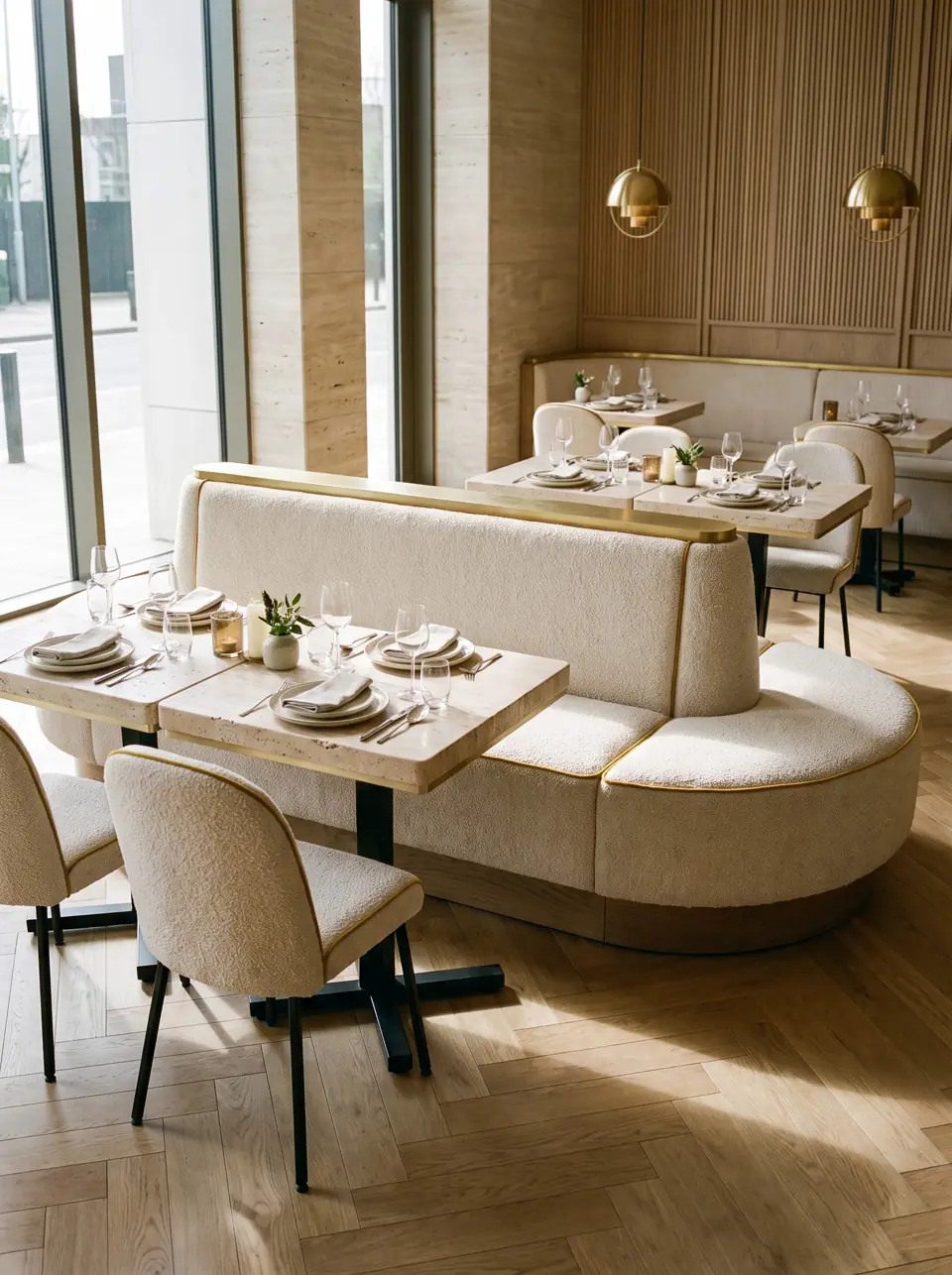
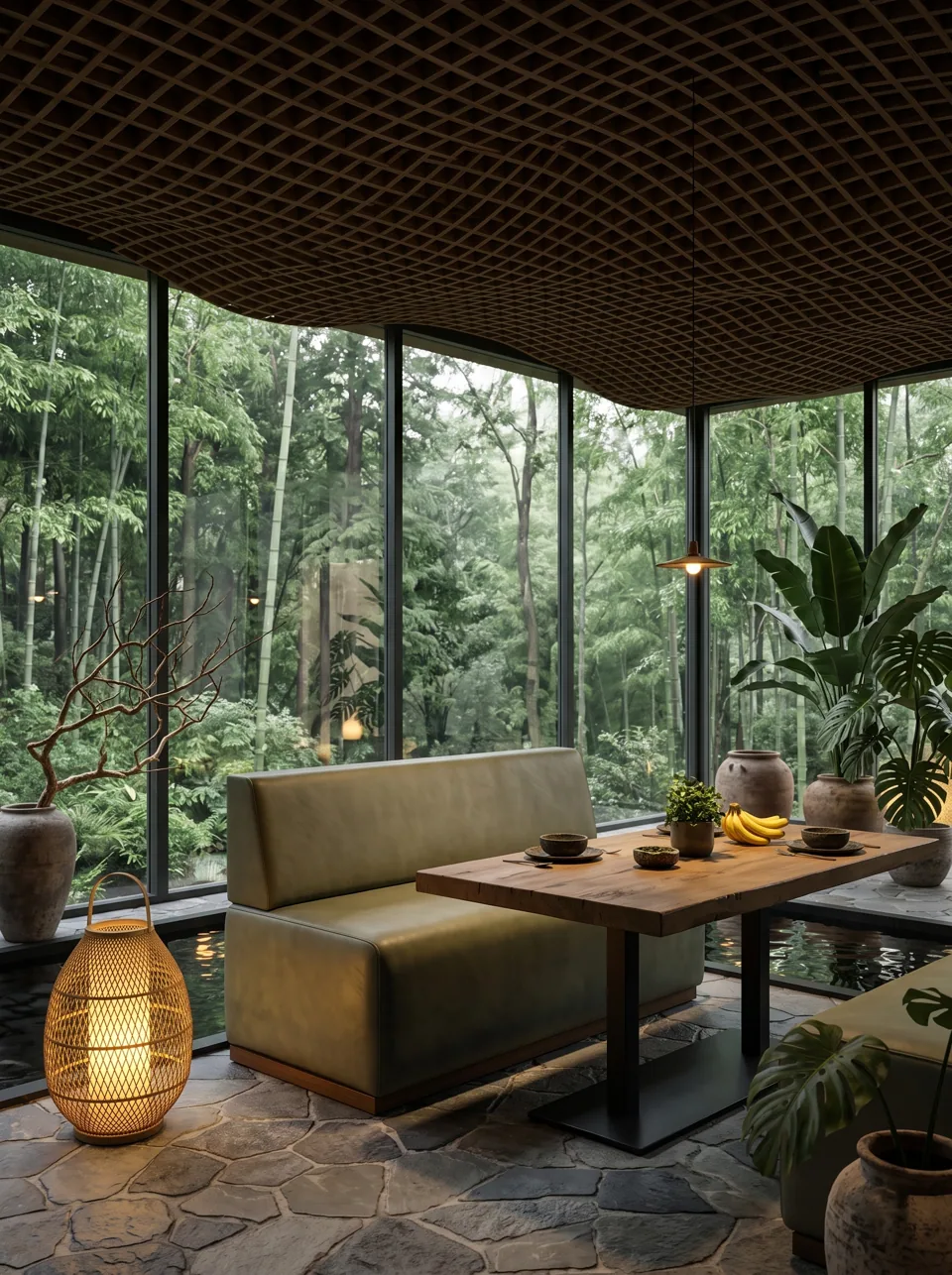
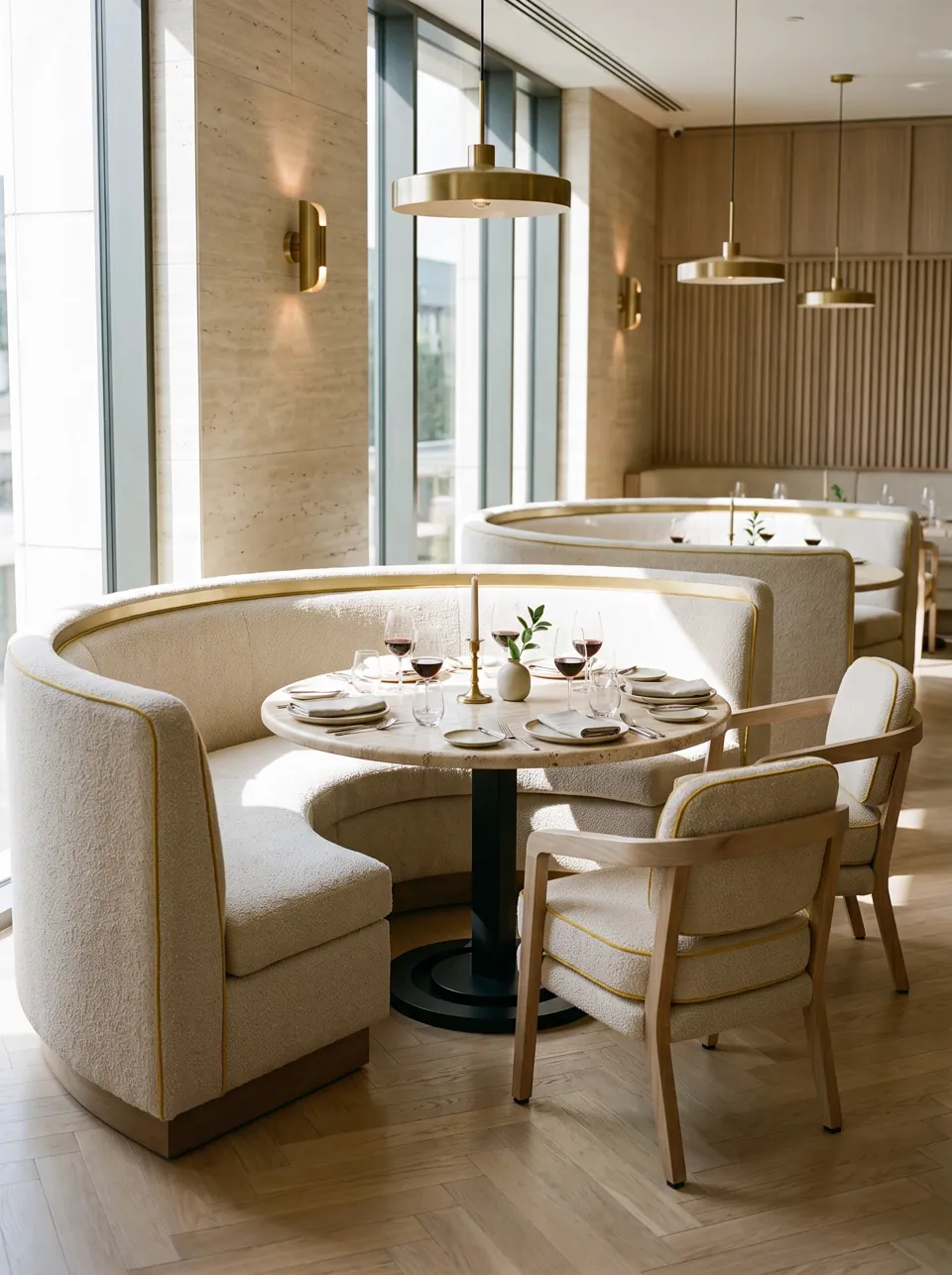
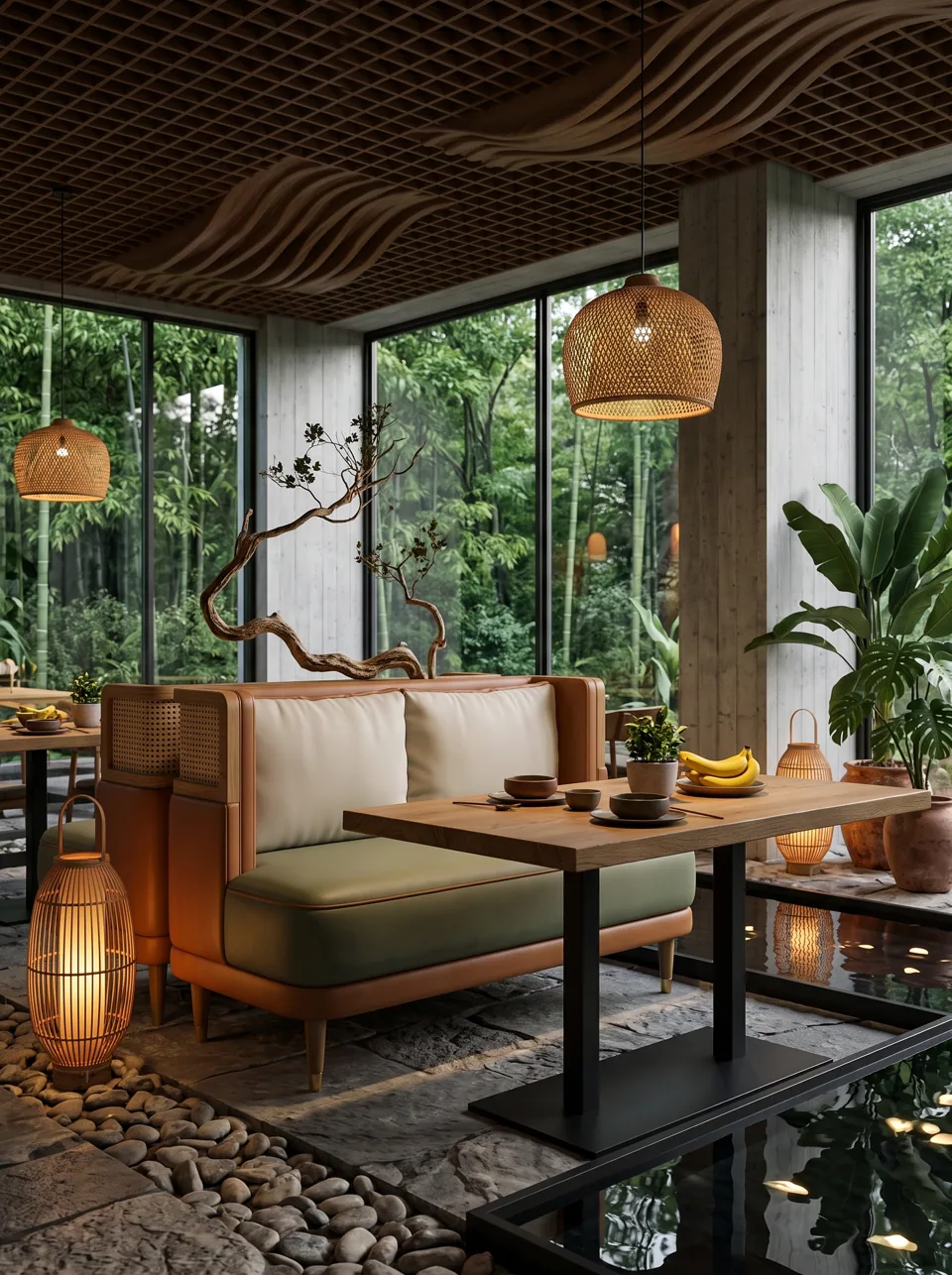
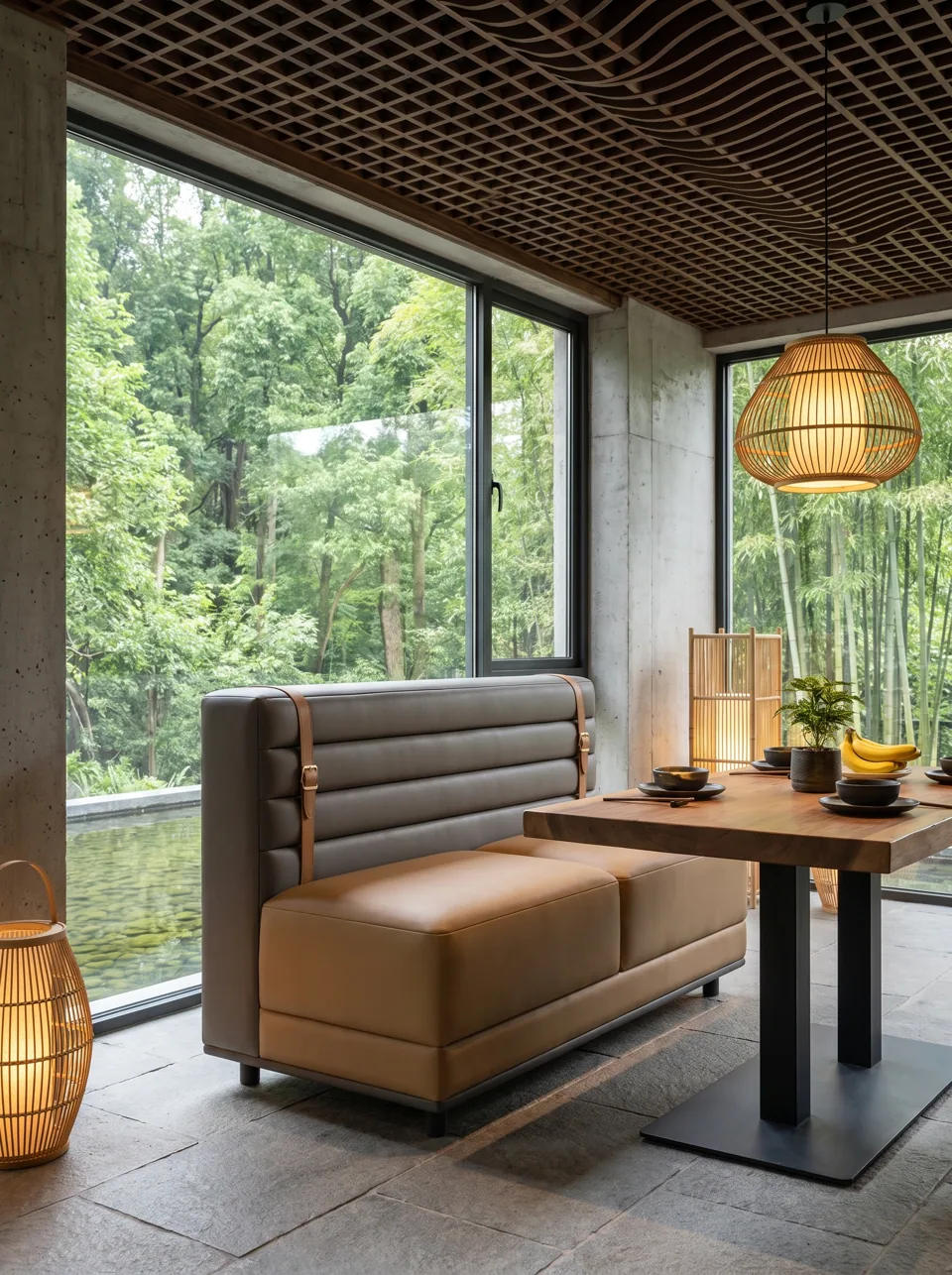
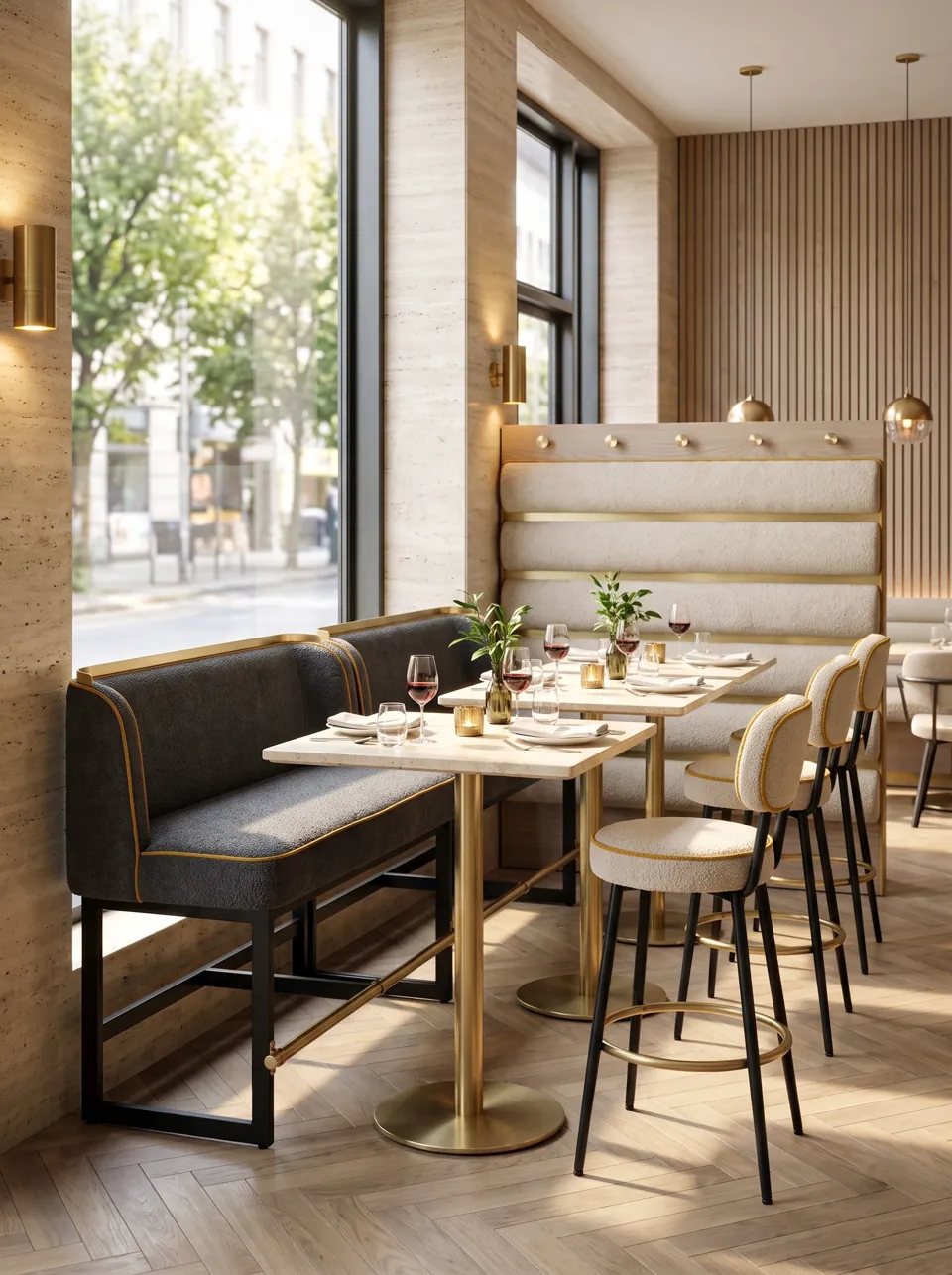
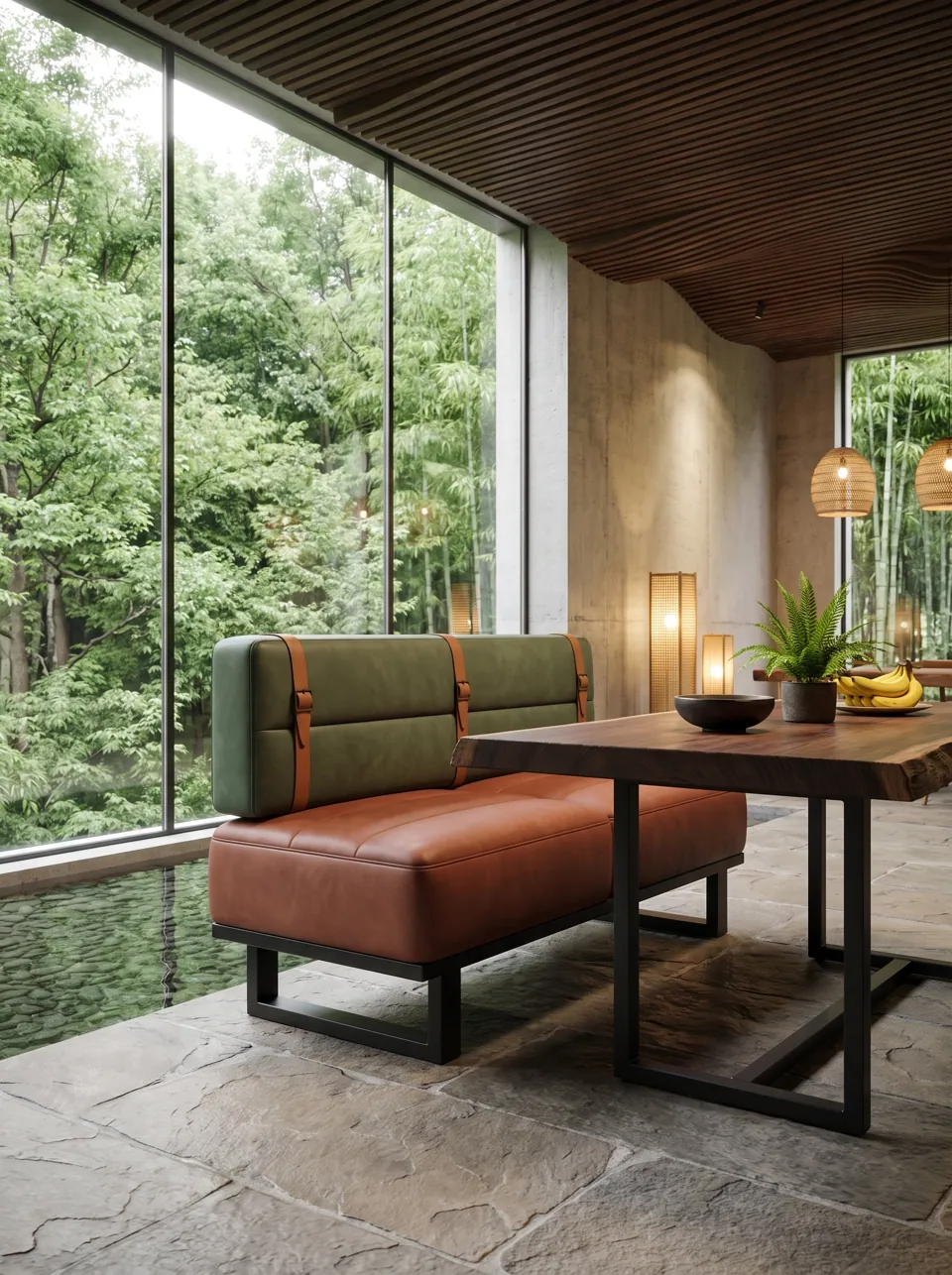
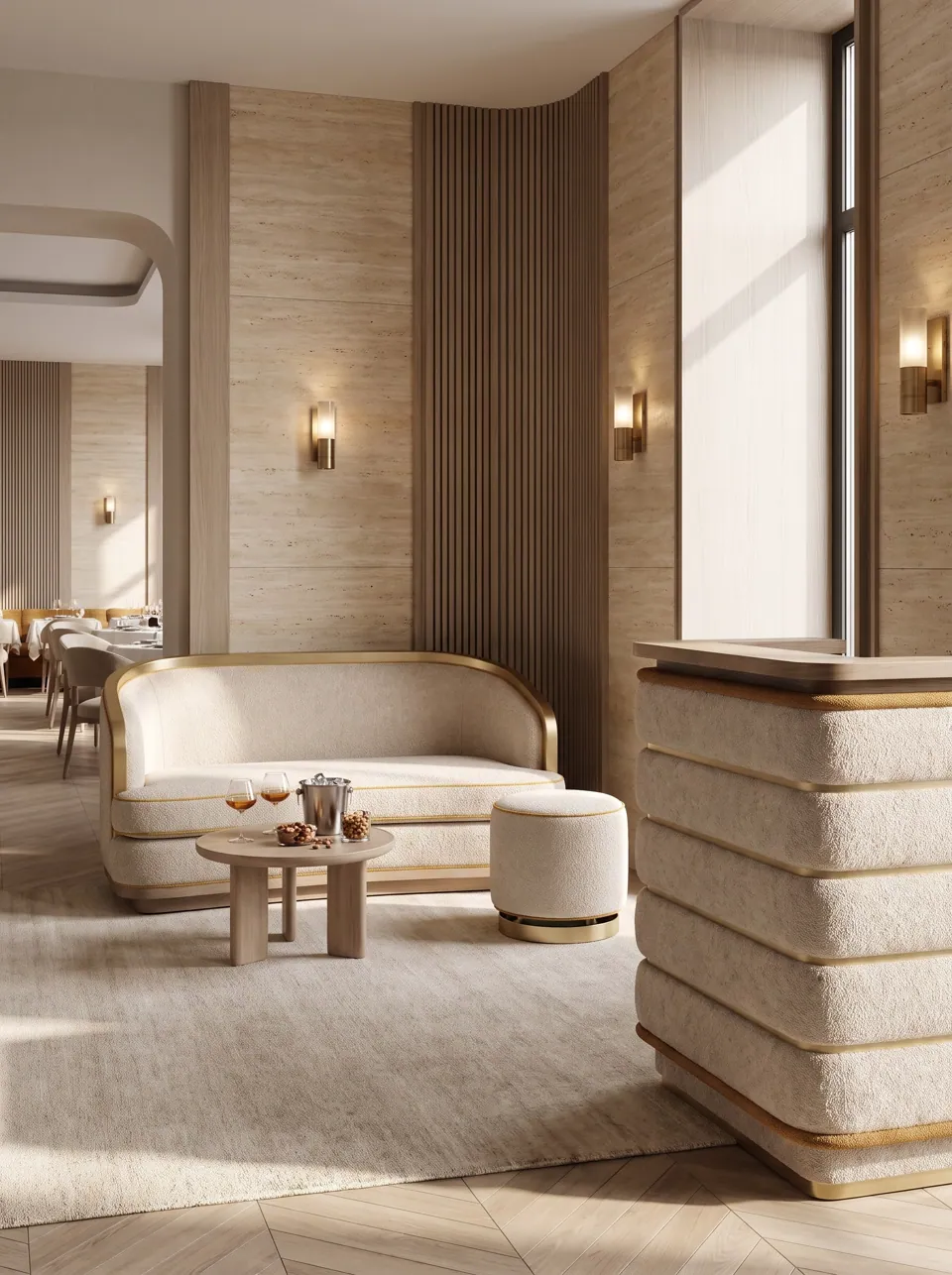
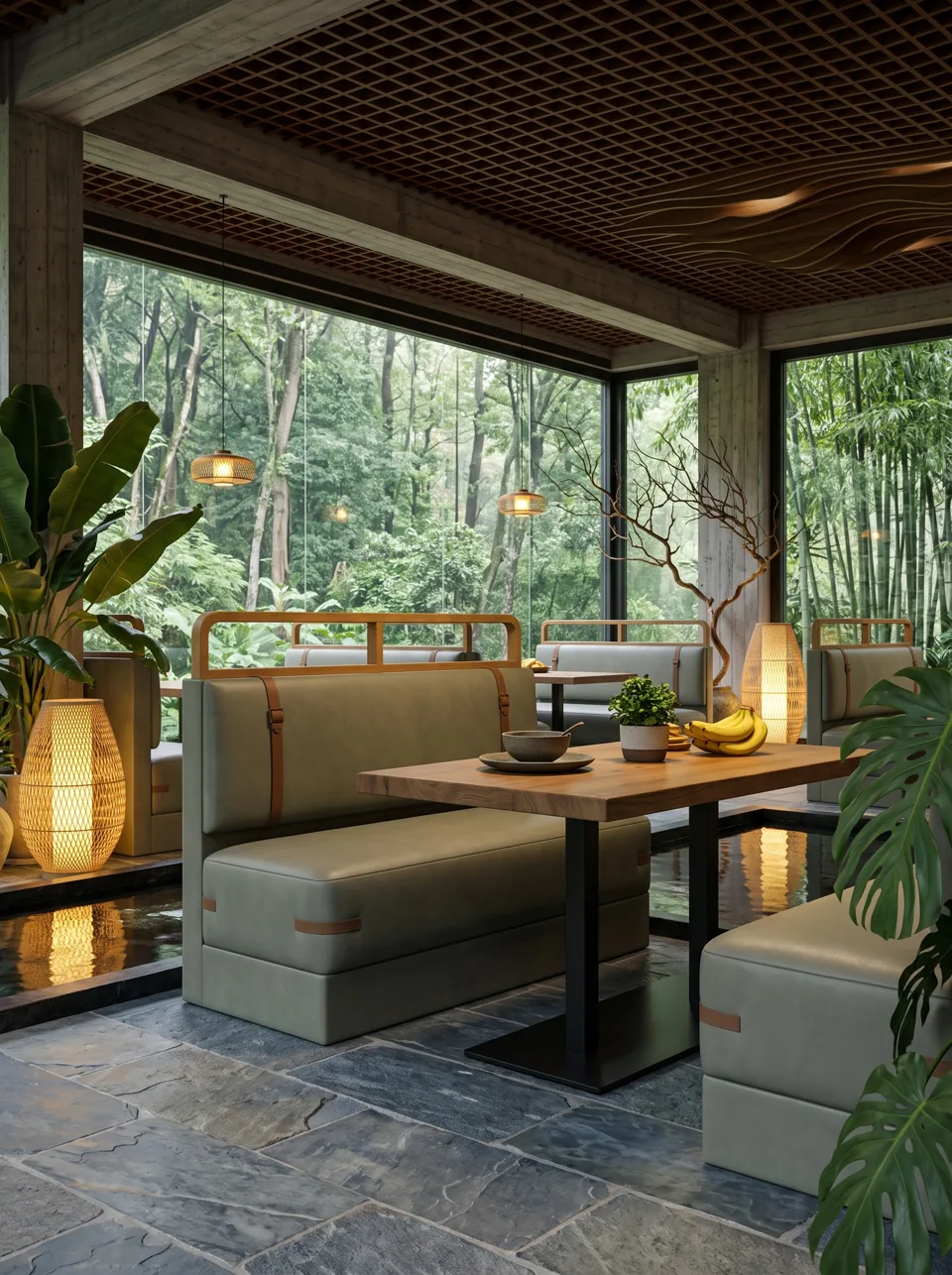
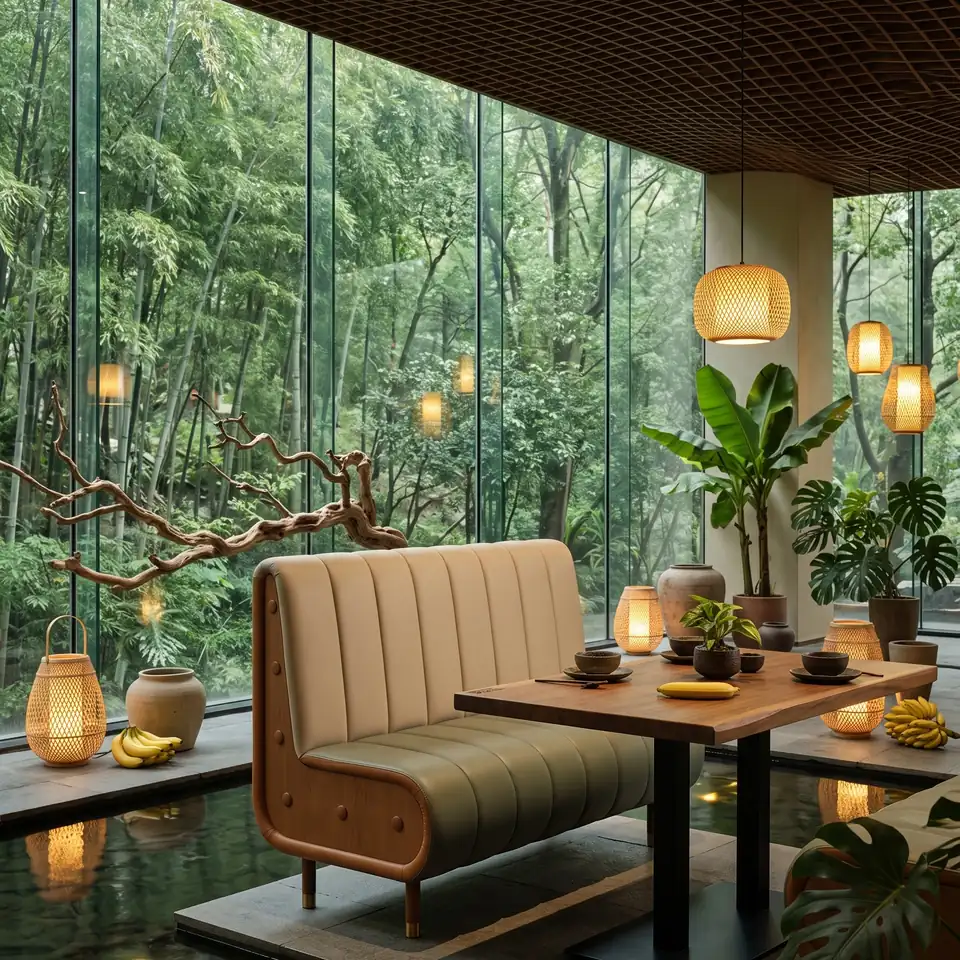
Green Banquette project scene 1
Made in
Foshan, China (own production, Lecong)
Design principle
Separable parts: cushions, covers, wear edges and backs come off without cutting or prising glue
Materials offered
Wool, recycled-polyester and other recycled-content fabrics, plant-based leather alternatives, solid timber, bamboo, steel and aluminium frames
Evidence
We pass on the material data sheets for fibre content and recycled content; we make no claim we cannot document
01Key facts

Green Banquette (a line by EASEN Commercial Furniture) makes restaurant booths and banquettes designed to be re-covered, repaired and reconfigured: removable cushions and covers, replaceable wear edges, bolted or pinned frames, and a choice of wool, recycled-content and plant-based coverings. Everything is made to order in our own production base in Foshan, China, from approved drawings, and shipped factory-direct.

Customisation
Sizes, back heights, coverings (COM accepted), foam and finishes per project
Lead time
Typically 30–45 days for standard designs, 45–60 days for custom work after drawing and sample approval, plus transit; confirmed in each quote
Shipping
Sea freight with consolidated, flat-packed or knock-down sections where the design allows; FOB, CIF or DDP on request
Designed to come apart
01

Designed to come apart

Most restaurant booths are thrown away because one part wore out: a scuffed front edge, a torn seat, a stained back. Ours separate. Cushions clip or zip off, front edges and end guards unclip, backs unbolt from seat boxes. You replace the part that failed and keep the rest in service.
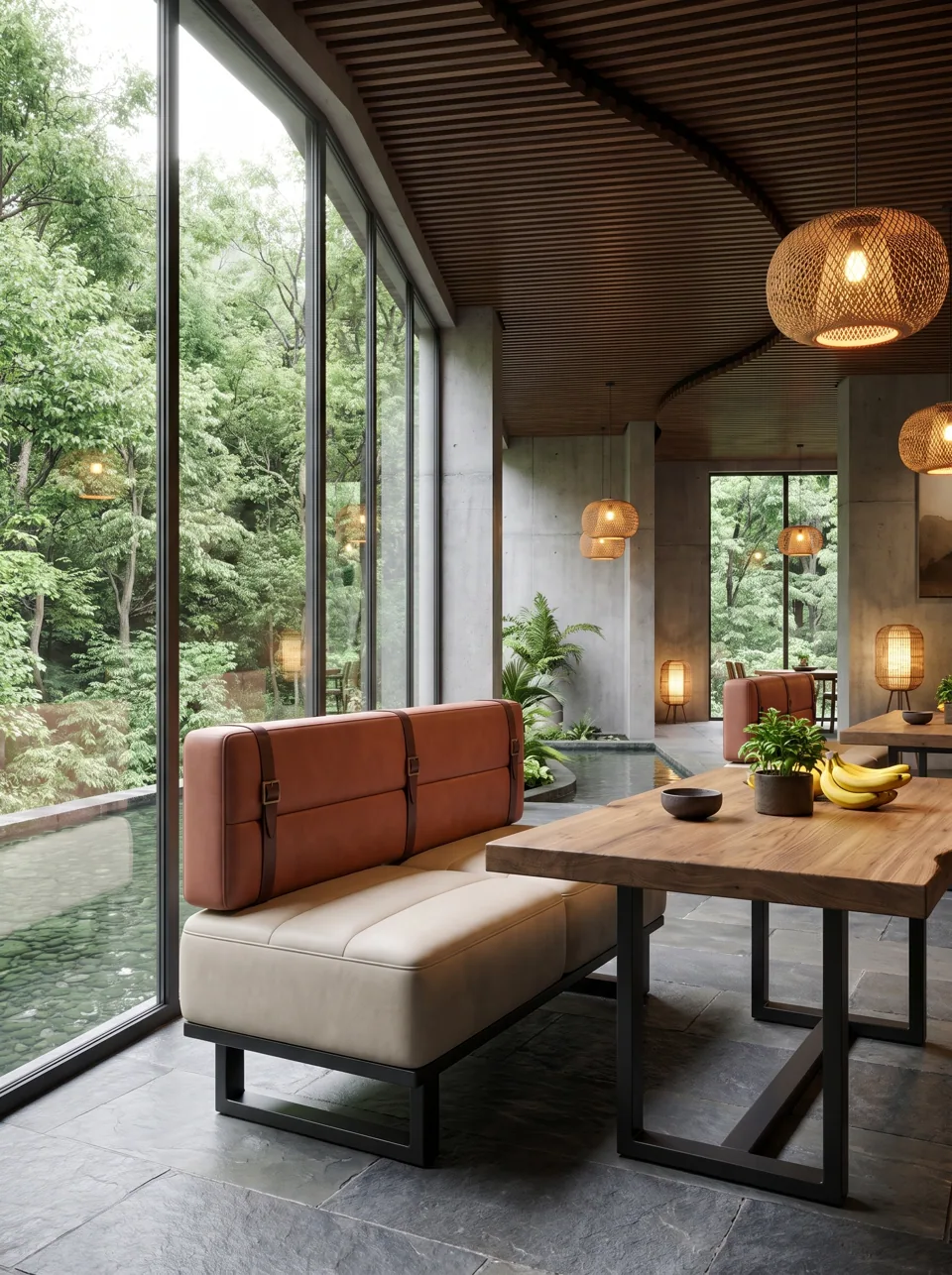
Materials you can verify
02

Materials you can verify

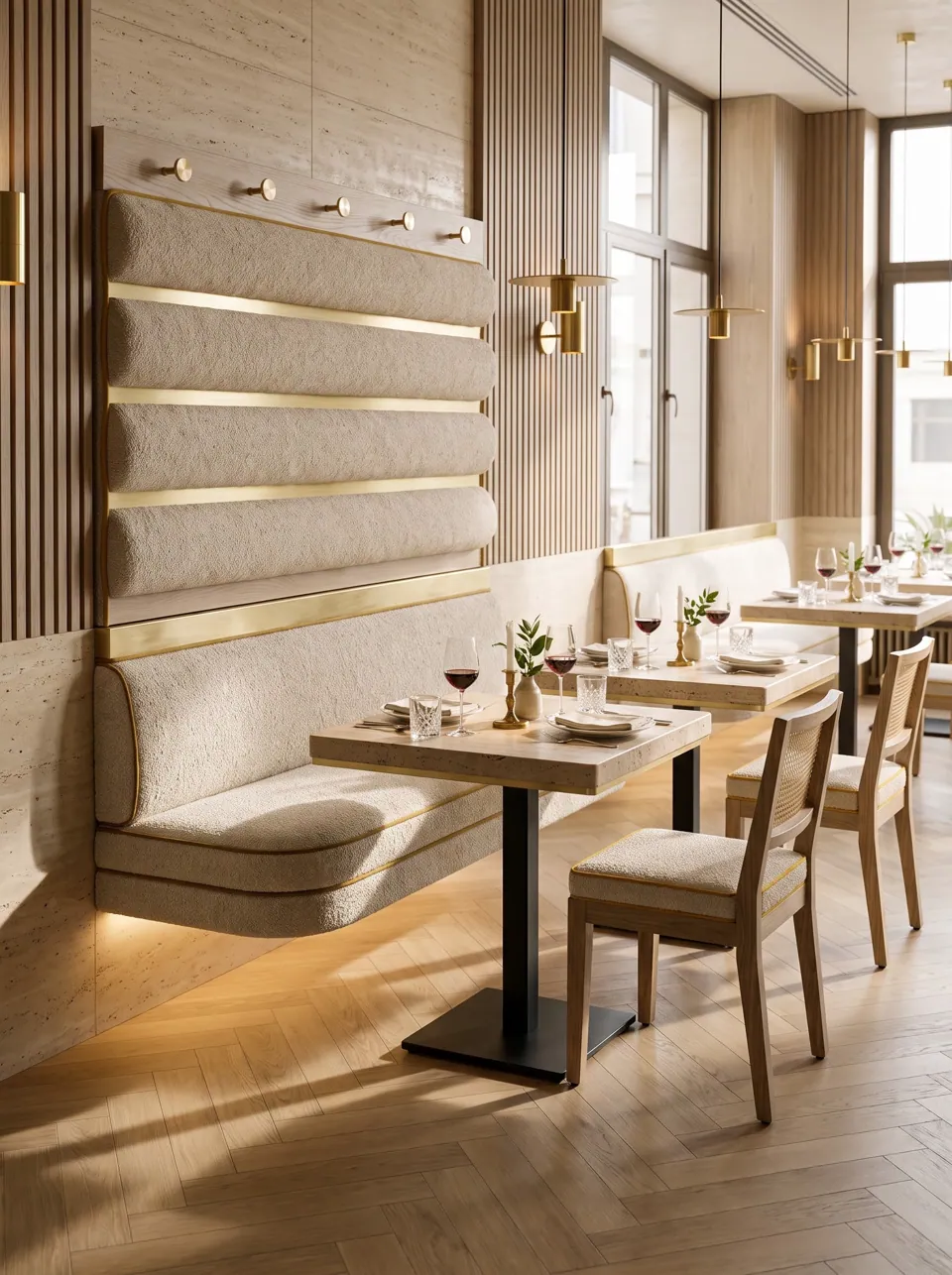
Wool, recycled-content polyester, recycled denim, cork, natural latex with coir and solid timber are all available. For each one we tell you what it is and what it is not, and we pass on the material data sheet and the supplier's fire test report for that material, so your own claims stand up.

Frames that bolt, not glue
03

Frames that bolt, not glue

Steel, aluminium and timber frames join with bolts, pins and visible connectors instead of welds or glue-only joints. That makes them easier to ship flat, assemble on site, repair if damaged in transit and, eventually, separate by material at end of life.

03Products
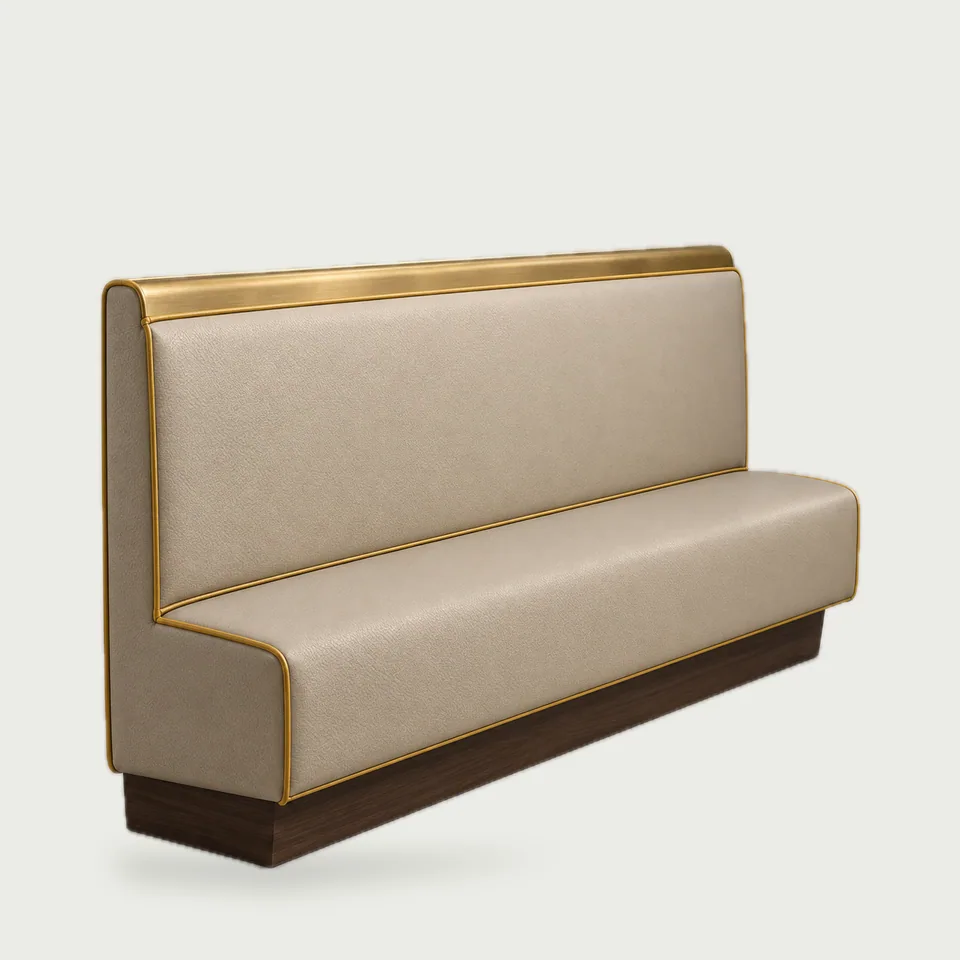
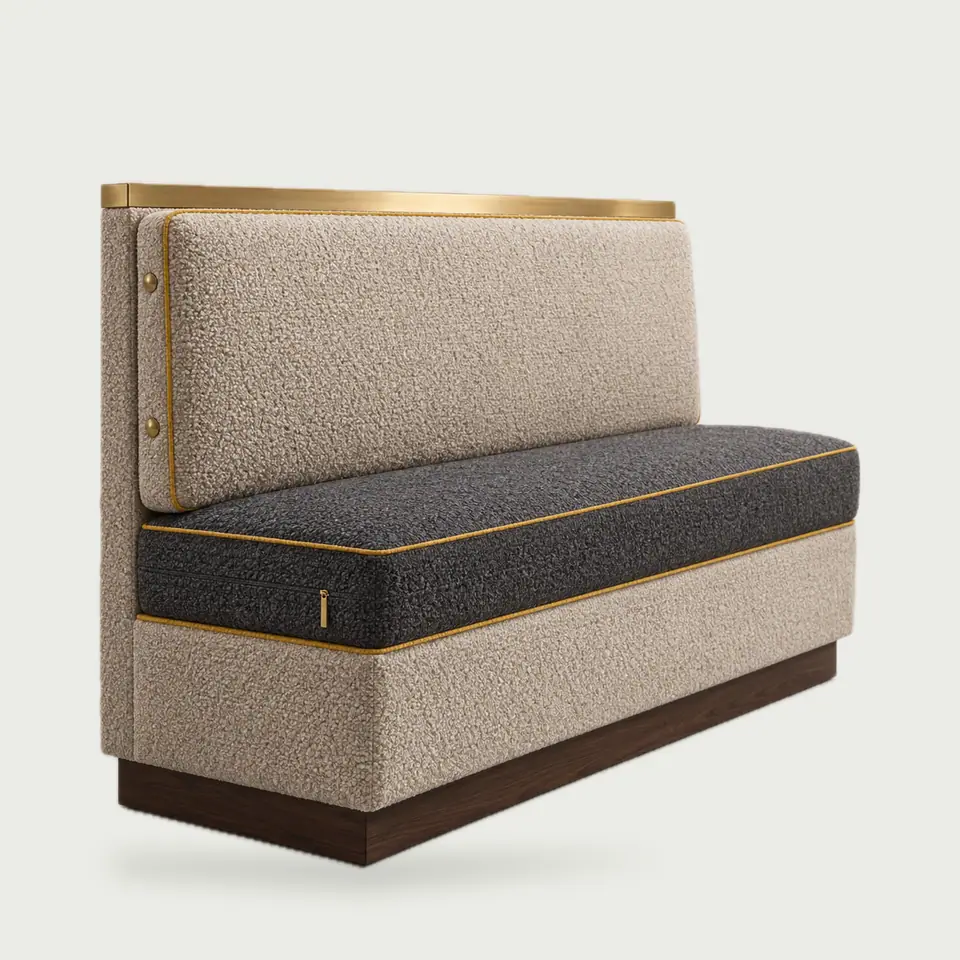
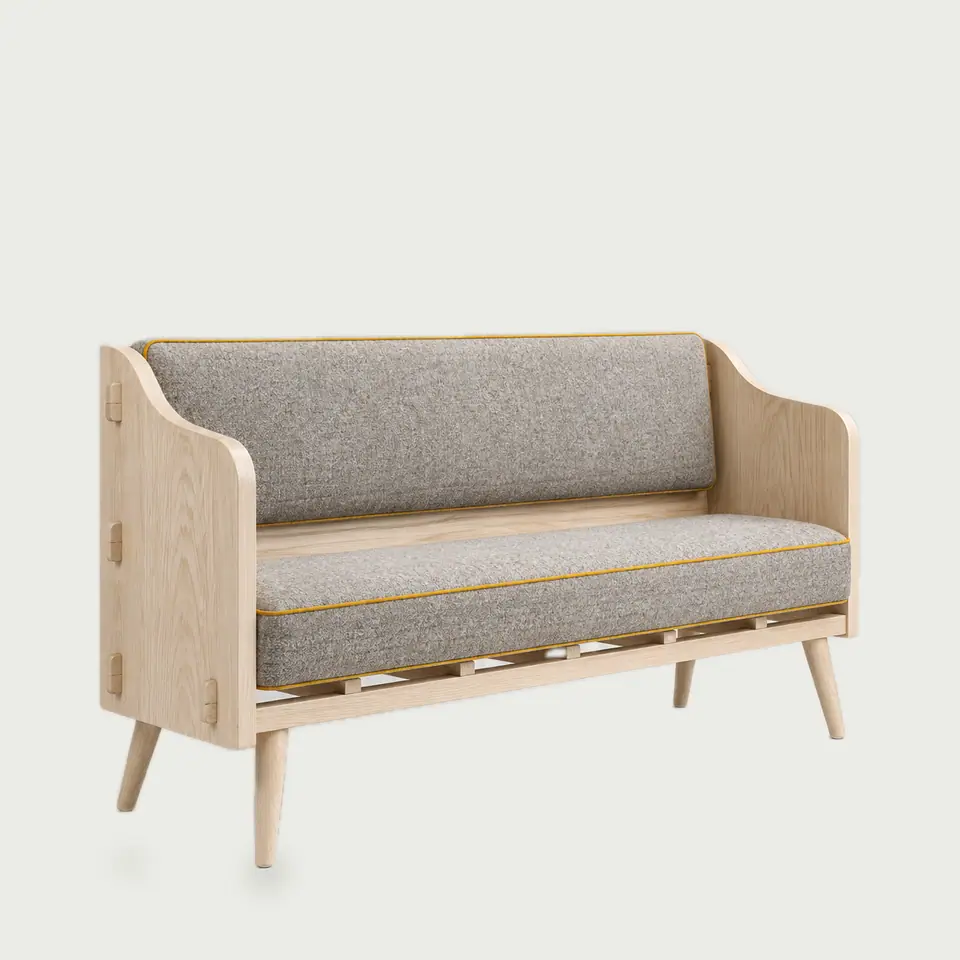
Zip-Cover Booth — Hardwood and plywood seat box, recessed plinth, any contract fabric or COM
Reupholsterable Restaurant Booths

Zip-Cover Booth

A booth with loose back and seat cushions whose covers unzip for cleaning or replacement, fixed to the frame with press studs.

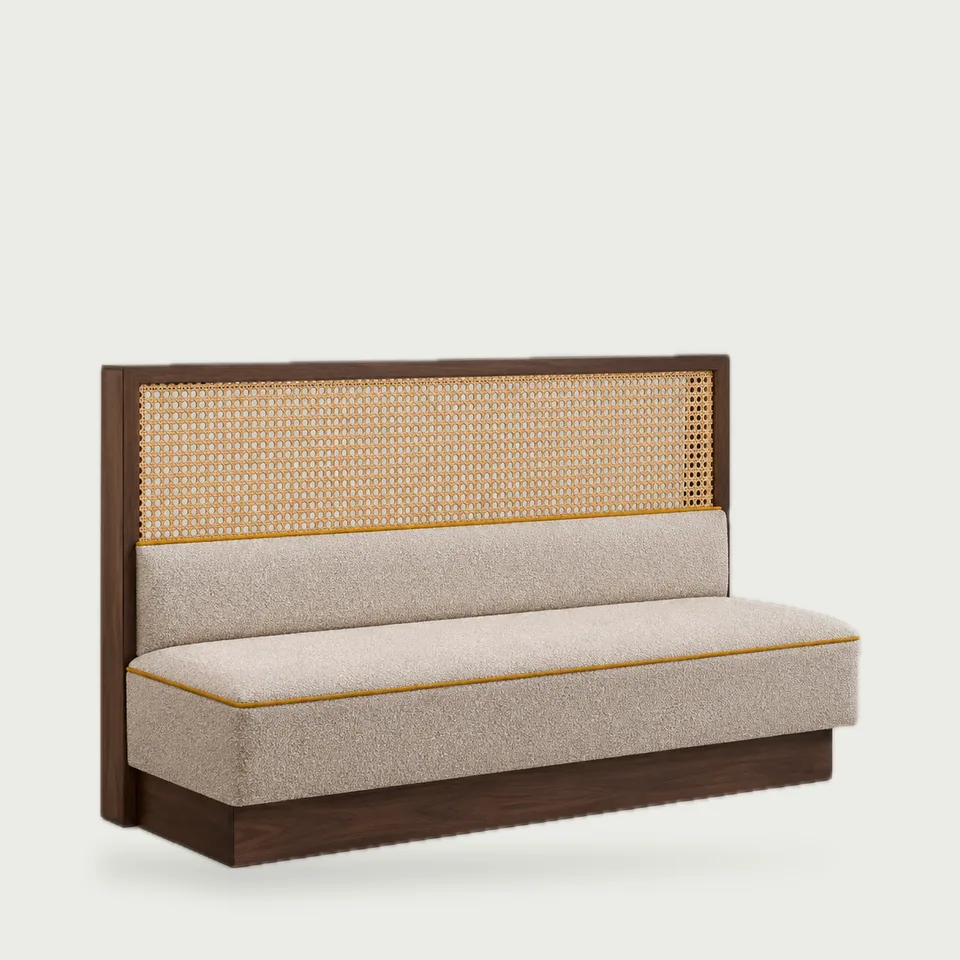
Cane Panel Back Booth — Walnut-stained hardwood frame, timber plinth, Screw-fixed replaceable panel of woven cane
Reupholsterable Restaurant Booths

Cane Panel Back Booth

A walnut-framed booth with a woven cane back panel that screws in and out, plus an oatmeal lumbar cushion.

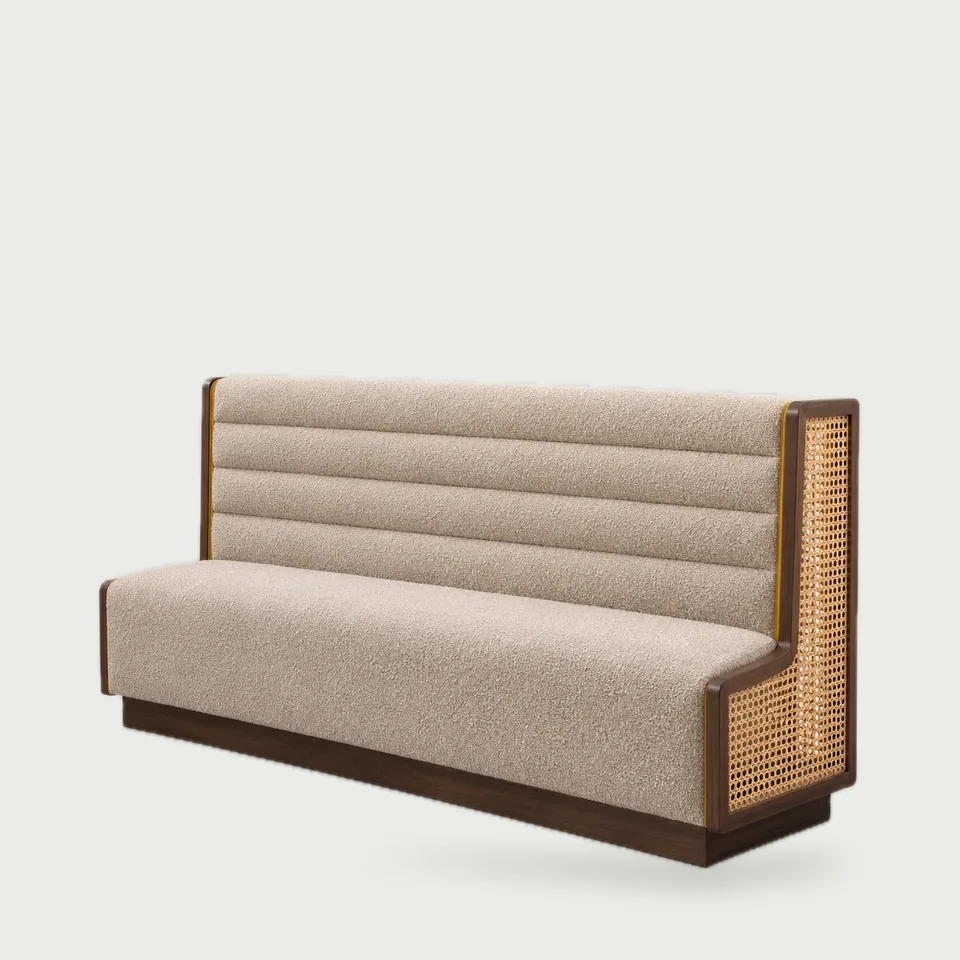
Cane Inset End — L-shaped walnut-stained hardwood frame
Reupholsterable Restaurant Booths

Cane Inset End

A booth end cap with a woven cane panel set into an L-shaped walnut frame, screw-fixed so a kicked panel is replaced, not the whole booth.

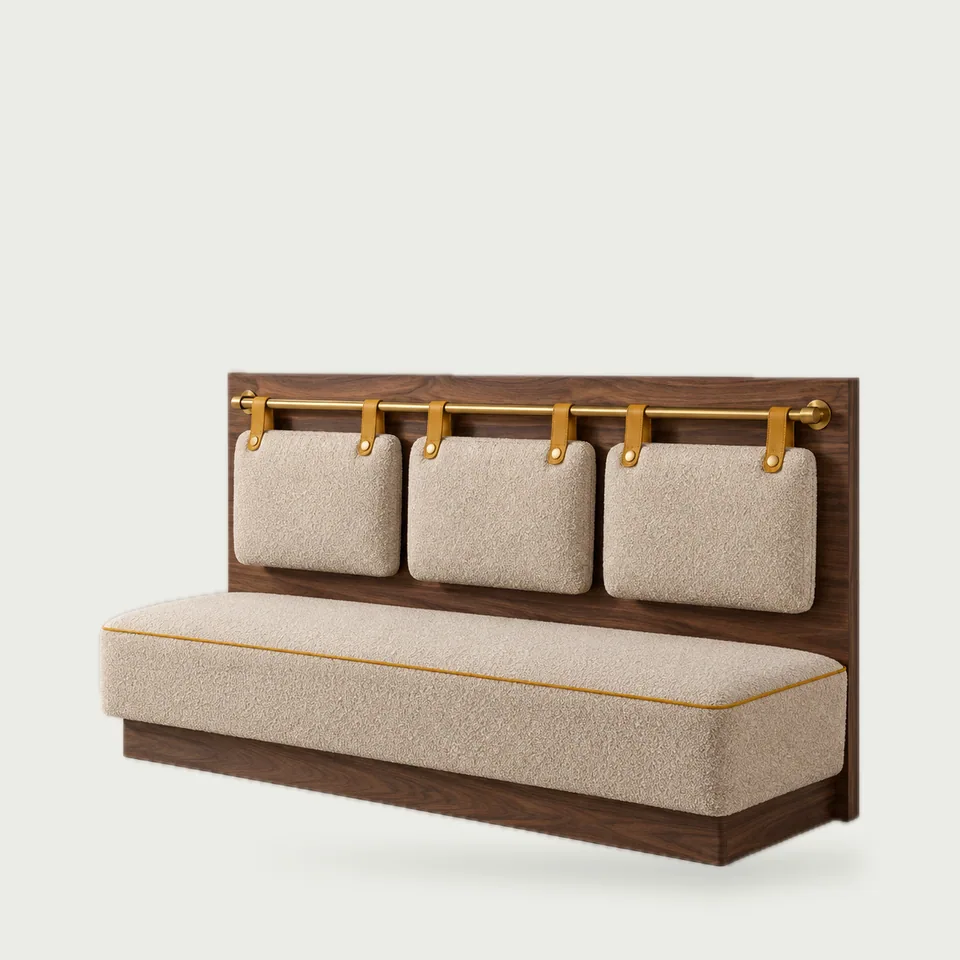
Rail-and-Cushion Booth — Hardwood and plywood
Reupholsterable Restaurant Booths

Rail-and-Cushion Booth

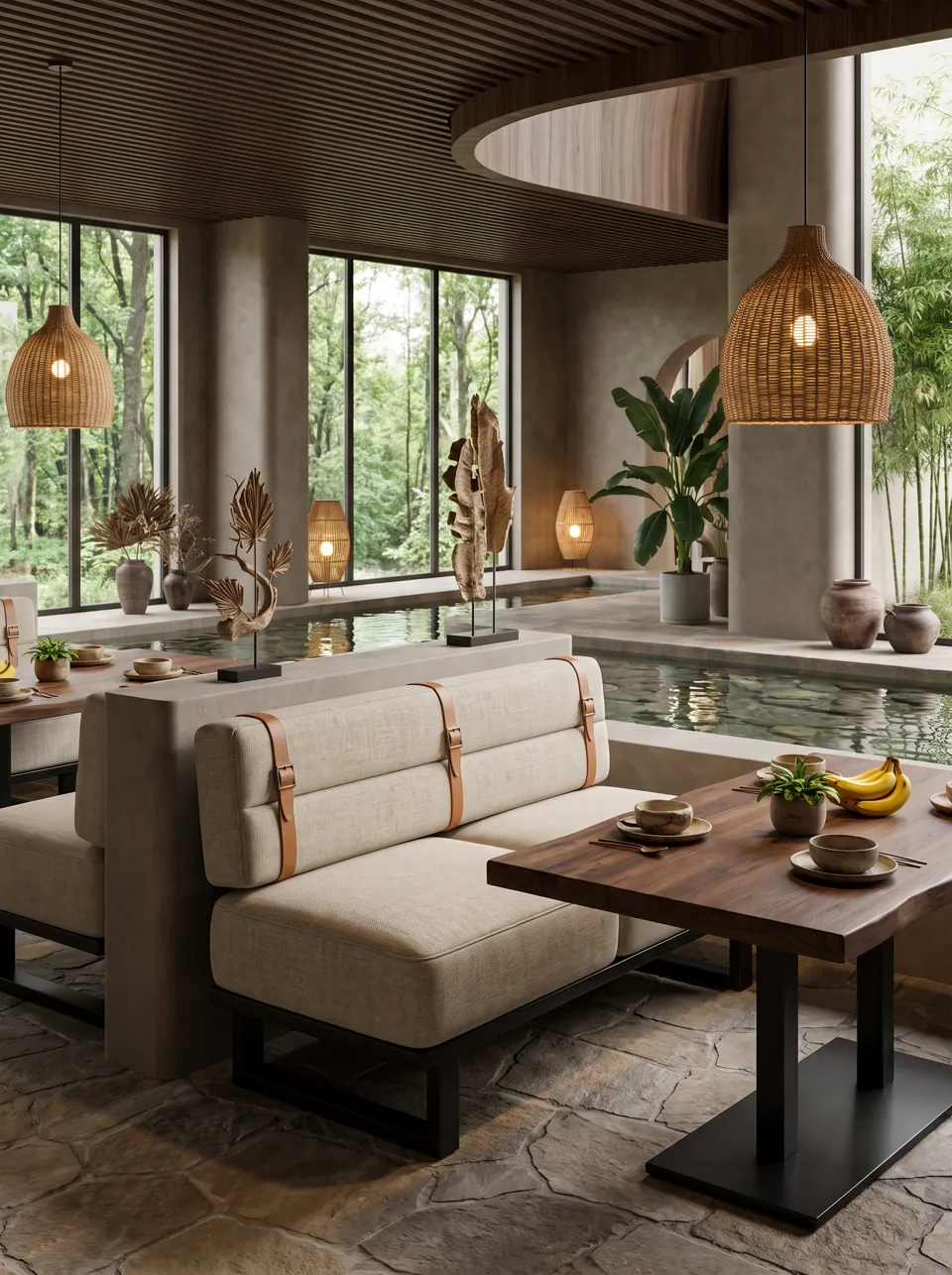
A walnut-backed booth with a brass rail from which three back cushions hang on leather straps, each removable for cleaning or a colour change.

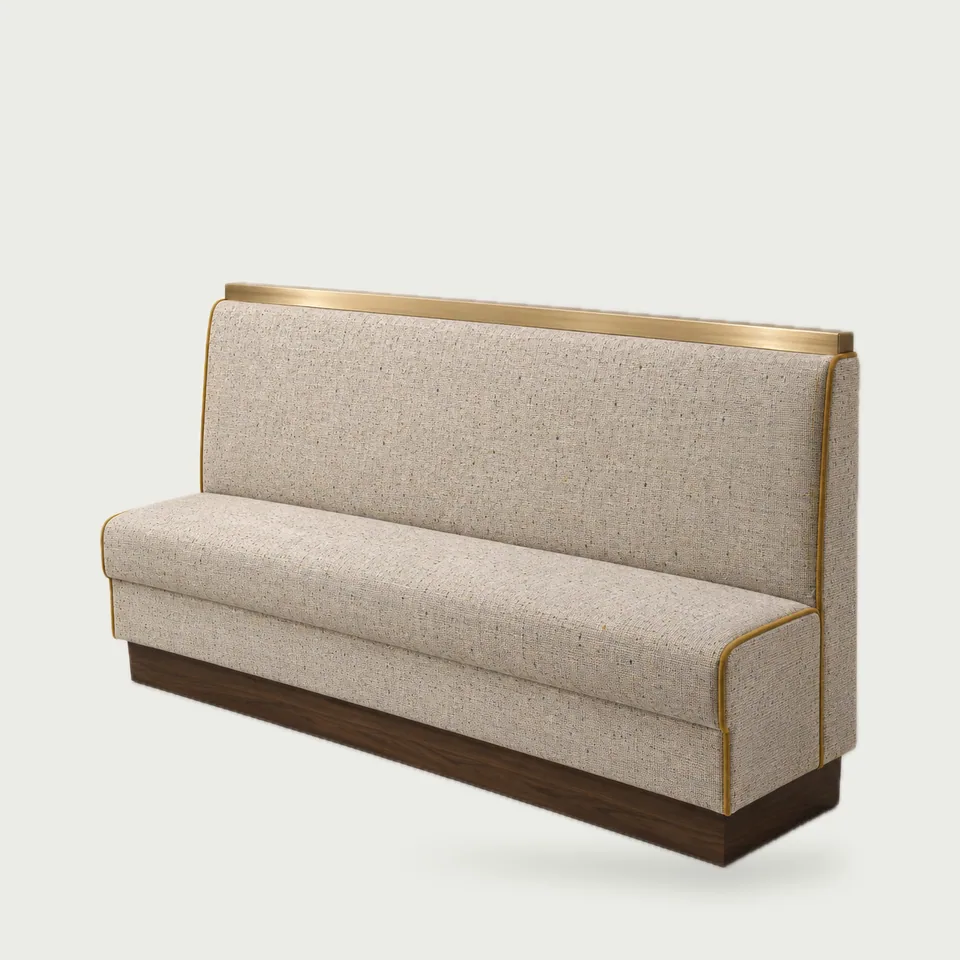
Recycled-Content Polyester Booth — Hardwood and plywood
Sustainable Restaurant Upholstery Options

Recycled-Content Polyester Booth

A booth upholstered in a dense contract weave made with recycled polyester yarn, with the recycled share stated from the mill's data sheet.

Recycled Denim Booth — Hardwood and plywood
Sustainable Restaurant Upholstery Options

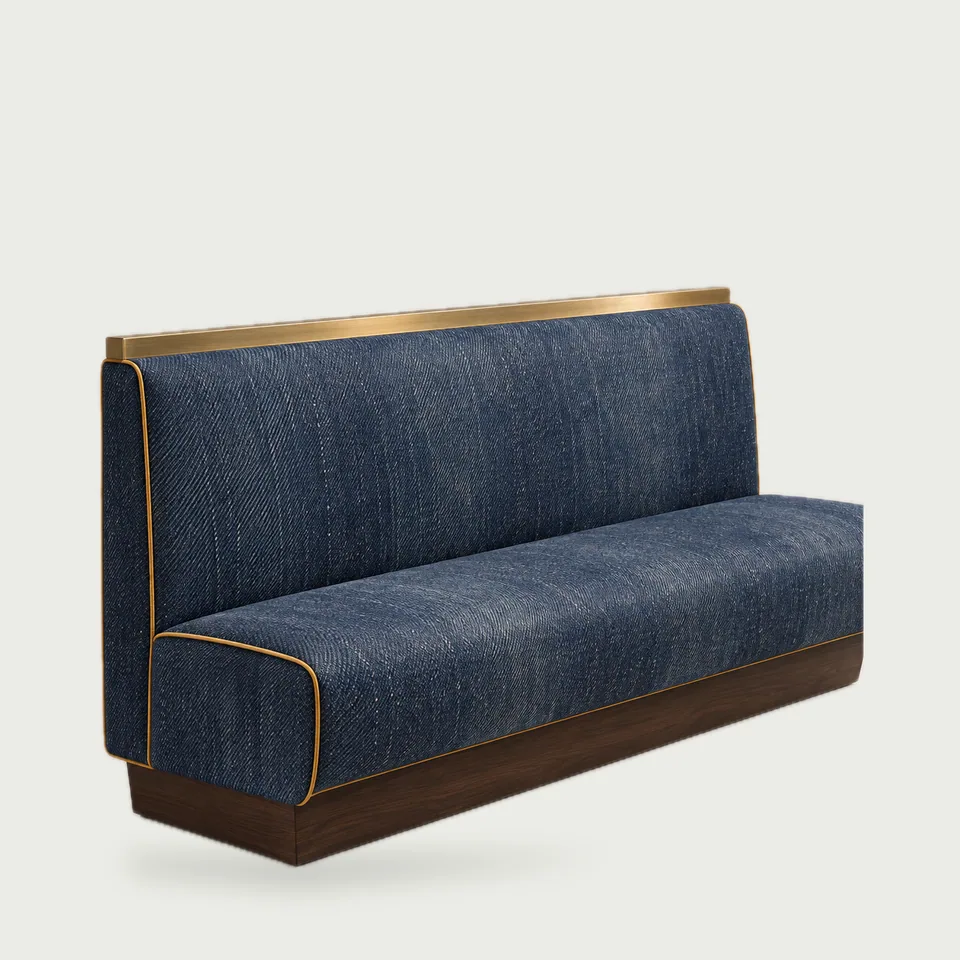
Recycled Denim Booth

A booth in deep indigo twill woven with recovered denim fibre, with mustard piping and the natural tonal variation of recycled yarn.

Plant-Based Leather Booth — Hardwood and plywood, Cactus-based leather alternative
Sustainable Restaurant Upholstery Options

Plant-Based Leather Booth

A booth covered in a cactus-based leather alternative with a fine matte grain, for animal-free projects that want a leather look.

Ash Joinery Booth — Solid ash side frames 3.5 cm, through-tenon joints, Wool-blend seat and back cushions
Solid Timber Restaurant Booths & Chairs

Ash Joinery Booth

A Nordic-style booth with solid ash side frames, exposed through-tenons, a timber back rail and thick wool-blend cushions, with no metal hardware visible.

All products →

Our workshop

Built in our own factory, made to be re-covered

Green Banquette seating is made in EASEN's own factory in Foshan. A re-coverable banquette is a solid frame with upholstery you can replace, so we photograph the frame work as well as the finished seat.

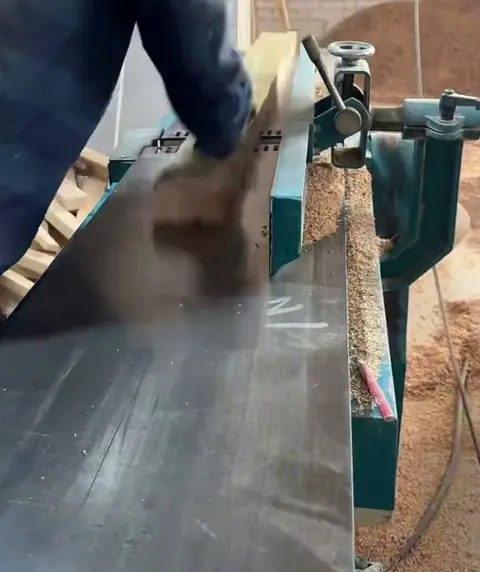
Feeding a solid wood board over the jointer in the EASEN workshop
Solid timber planed for the frame.
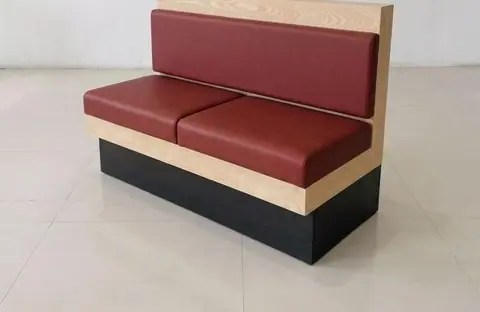
Burgundy two-seat banquette with an ash frame and black plinth on the inspection floor
A finished banquette, inspected before wrapping.
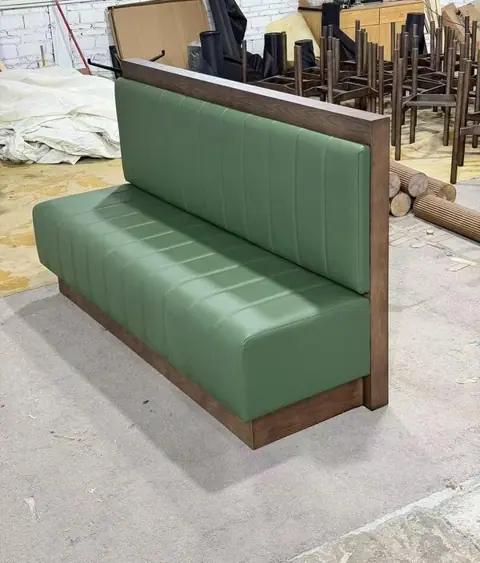
Green channel-stitched banquette with a stained wood surround in the workshop, chair frames behind
Finished in the workshop, with the next order's frames behind.
  • Own production in Foshan
  • 5-year warranty on every part
  • BS 7176 report (STC) for our FR faux leather + foam

We hold a BS 7176 medium hazard test report (STC, covering the BS 5852 cigarette, match and crib 5 sources) for our flame-retardant faux leather and foam combination. Other covers and foams are sourced to the standard you name with the material suppliers' reports; testing of finished furniture is arranged per project at a third-party laboratory and quoted separately.

04How we work
  1. 1

    Brief and priorities

    Tell us the room, seat count and which outcomes matter most: longer service life, easier re-covering, specific materials or lower shipping volume. We suggest designs that address those priorities directly.

  2. 2

    Drawings and parts list

    Shop drawings show every separable part: cushions, covers, wear edges, backs and fixings, with part numbers so replacements can be ordered later without guesswork.

  3. 3

    Materials and evidence

    We confirm coverings, foam and timber, check fire requirements for your market, and collect the material data sheets for fibre and recycled content before production.

  4. 4

    Sample and production

    A pre-production sample on request, then production in Lecong: typically 30–45 days for standard designs and 45–60 days for custom work after approval.

  5. 5

    Pack, ship, maintain

    Knock-down or flat-packed where the design allows, crated and labelled. You receive the parts list and care notes so future covers and wear parts can be ordered by reference.

05In the room
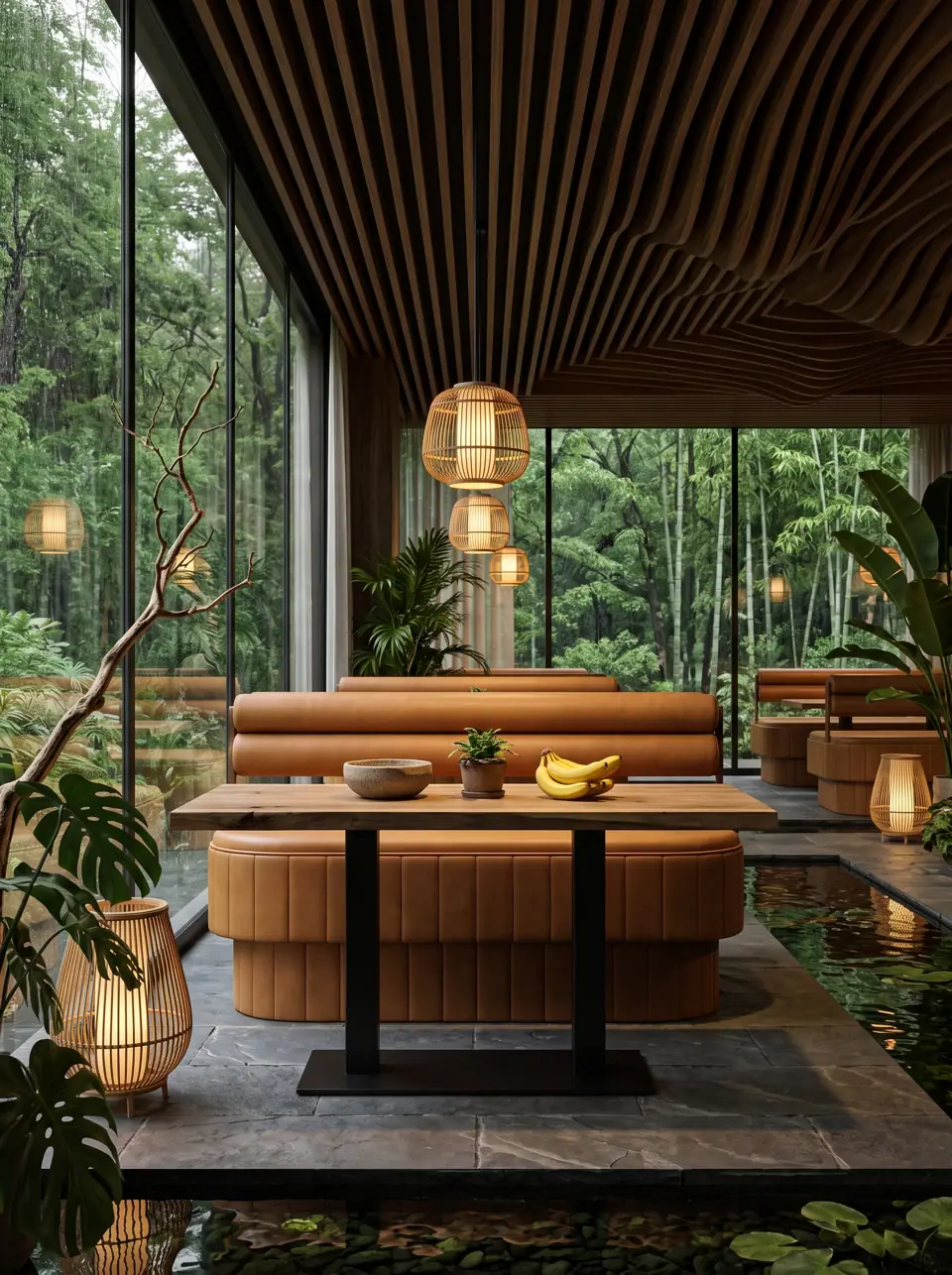
Green Banquette project scene 2
Green Banquette project scene 3
Green Banquette project scene 4
Green Banquette project scene 5
Green Banquette project scene 6
Green Banquette project scene 7
Green Banquette project scene 8
Green Banquette project scene 9
Green Banquette project scene 10
Green Banquette project scene 11
Green Banquette project scene 12
Green Banquette project scene 13
07FAQ
What makes a restaurant booth repairable?

A repairable booth is built from separable parts: cushions and covers that zip, clip or strap off; wear parts such as seat front edges and end guards that can be replaced individually; and frames joined by bolts or pins rather than welds or glue alone. Green Banquette (a line by EASEN Commercial Furniture) issues a parts list so replacements match the original.

Are your booths eco-friendly?

We avoid that kind of blanket claim, because it cannot be proven for a whole product. What we can state precisely is how each booth is designed: covers that come off for re-covering, replaceable wear parts, bolted frames, and materials such as wool or recycled-content fabric with material data sheets. Those are specific features you can check and describe accurately.

Is wool upholstery fire-resistant?

Wool is naturally harder to ignite than most textile fibres, because of its moisture and nitrogen content, and it tends to char rather than melt. That is a material property, not a test result: ignition tests are run on the whole build of cover, interliner and foam. The standards buyers name depend on the market. In the UK it is BS 7176, which sets the hazard level for non-domestic seating, tested with the BS 5852 ignition sources (cigarette, match and, at medium hazard, crib 5). In the EU it is usually EN 1021-1 and -2, the cigarette and match tests for upholstered seating. In the US it is CAL TB 117-2013, the smoulder test for cover, barrier and filling. We hold a BS 7176 medium hazard test report (STC, covering the BS 5852 cigarette, match and crib 5 sources) for our flame-retardant faux leather and foam combination. That report does not cover wool: for a wool build, cover and foam are sourced to the standard you name with the material suppliers' reports, and testing of finished furniture is arranged per project at a third-party laboratory and quoted separately.

How much recycled content is in your recycled fabrics?

It depends on the specific fabric. Recycled content can range from a minority share to nearly all of the fibre. We quote the percentage stated on the mill's data sheet for the exact fabric you choose, and pass that sheet on to you. If a percentage cannot be documented, we do not describe the fabric as recycled.

Can I re-cover the booths myself later?

On zip-cover and clip-on designs, yes: covers or cushions come off without tools and new ones go on. We can make replacement covers to the original pattern from the parts list, or you can have them made locally using the dimensions we supply. On the Zip-Cover Booth, a 150 cm (59 in) run with a 46 cm (18 in) seat, the seat and back are separate cushions, so each cover can be changed on its own.

Do you use MDF or particleboard?

Visible structure in our solid-timber collection is solid wood or engineered bamboo. Hidden parts such as seat decks are usually plywood. Where composite panels are used, we specify low-emission panels to the destination market's requirements, for example CARB Phase 2 and TSCA Title VI limits for the US or the EU formaldehyde restriction.

FAQ →