How to Clean Restaurant Upholstery: Wool, Recycled Polyester and Faux Leather
Restaurant upholstery cleaning by fibre: daily, weekly and periodic routines for wool, recycled polyester and faux leather, spot cleaning, sanitiser residue and a routine table.
Planning seating for a venue? Send your floor plan or sizes and we'll quote from shop drawings, factory-direct.
Request a quote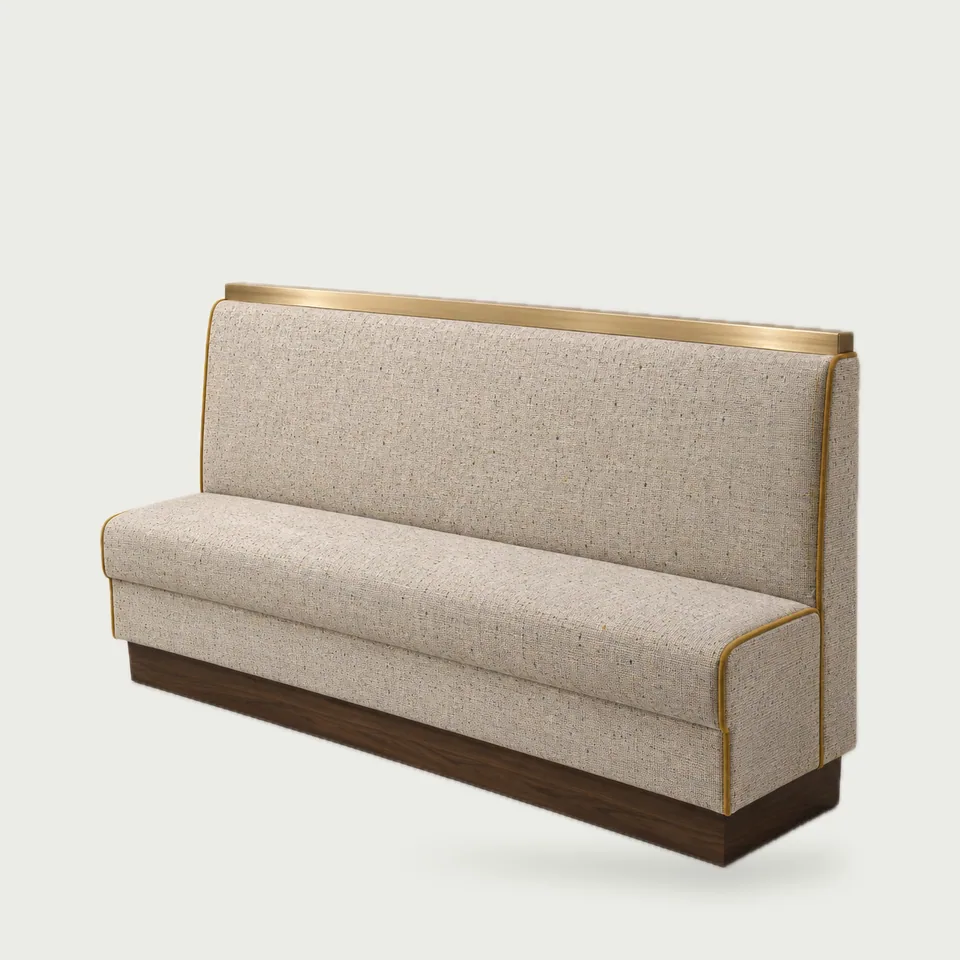
Short answer: Clean restaurant upholstery by fibre, not with one spray for everything. Vacuum and blot wool, use as little water as possible and avoid bleach and harsh alkaline cleaners; recycled polyester tolerates water-based cleaning and periodic hot-water extraction; faux leather (PU or PVC) needs a damp cloth and mild soap, with solvents and strong sanitisers kept off it and any residue rinsed away. Always follow the fabric maker's care instructions first.
Cleaning decides how long a covering lasts as much as the fabric choice does. A good wool can look tired in a year if it is soaked every night, and a sturdy faux leather can crack if it is wiped with the wrong sanitiser. This guide from Green Banquette (a line by EASEN Commercial Furniture) sets out practical routines for the three coverings we supply most, so your team can keep booths looking right between services and you can avoid replacing covers before their time.
Why does fibre matter when cleaning restaurant upholstery?
Each covering reacts differently to water, heat and chemicals.
- Wool is a protein fibre. It resists soiling and releases dirt well, but it can shrink, felt or ring-mark if it is over-wetted or scrubbed, and chlorine bleach and strongly alkaline products damage the fibre. Enzyme stain removers designed to digest protein stains can also attack wool.
- Recycled polyester behaves like virgin polyester: it holds little water, dries quickly and stands up to water-based cleaning. Oily stains can bind to it, so treat grease promptly.
- Faux leather is a coated textile, usually polyurethane (PU) or PVC on a knitted or woven backing. The coating is what you clean, and it can be softened, dried out or cracked by solvents, alcohol-heavy products and bleach.
If your covers use a blend or a coated finish, the most sensitive component sets the rules. That is why the fabric maker's care label or data sheet always comes before any general guidance, including this one. If the documentation is missing, ask your supplier; we pass on the mill's care information with every covering we supply.
What should a daily, weekly and periodic routine look like?
The table below is a starting point. Adjust frequency for how busy your booths are, and record it in your cleaning schedule.
| Task | Wool and wool blends | Recycled polyester | Faux leather (PU / PVC) |
|---|---|---|---|
| After each service | Brush off crumbs; blot spills at once with a dry white cloth | Brush off crumbs; blot spills | Wipe with a damp microfibre cloth; dry |
| Daily close | Vacuum seat and seams with an upholstery nozzle | Vacuum seat and seams | Wipe with mild soap solution, rinse with clean damp cloth, dry |
| Weekly | Vacuum backs and sides; check for stains and snags | Vacuum all faces; spot-clean marks | Check seams and edges; wipe piping and seat fronts thoroughly |
| Monthly | Spot-clean with a wool-safe, pH-neutral product, minimal moisture | Spot-clean with water-based upholstery cleaner | Inspect for cracking or tackiness; remove any sanitiser build-up |
| Periodic (several times a year, to suit use) | Professional low-moisture cleaning by a wool-experienced cleaner | Professional hot-water extraction if the care code allows | Professional check; replace covers that have cracked |
Rotating loose cushions between busy and quiet positions, where the design allows, spreads wear and soiling more evenly.
How do you spot clean restaurant upholstery?
Speed matters more than product. Most stains come out if they are dealt with before they dry.
- Remove solids with a blunt edge or spoon; do not rub.
- Blot liquid with a clean, dry, white cloth, working from the outside of the stain inwards.
- Test any cleaning product on a hidden area, such as the underside of a cushion, and let it dry.
- Apply a little cleaner to the cloth, not to the fabric, and blot again.
- Rinse by blotting with a cloth dampened in clean water to remove residue.
- Dry by blotting, then let the area air-dry before the seat is used. Do not use a hairdryer or heater on wool or faux leather.
- Record the stain and what worked, so the next person does the same.
For red wine, beer and coffee, water and a mild product usually work. For grease, a product formulated for oily stains on that fibre is better than more water. If a stain does not shift after two attempts, stop and call a professional; repeated scrubbing does more harm than the stain.
How do you clean wool upholstery without damaging it?
Wool's natural crimp helps keep dirt near the surface, so regular vacuuming removes much of the soil before it becomes a stain. The main risk is too much water.
- Use minimal moisture. Over-wetting can shrink the face, cause the cover to pucker on the foam and leave tide marks or brown rings as the water dries.
- Choose wool-safe products. Look for pH-neutral or mildly acidic cleaners labelled for wool. Avoid chlorine bleach, strong alkaline degreasers and protein-digesting enzyme sprays.
- Blot, never rub. Rubbing raises the pile and can felt the surface.
- Dry evenly. Blot the whole panel lightly to the seams if a spot cleaner has left a damp patch, so it dries without a ring.
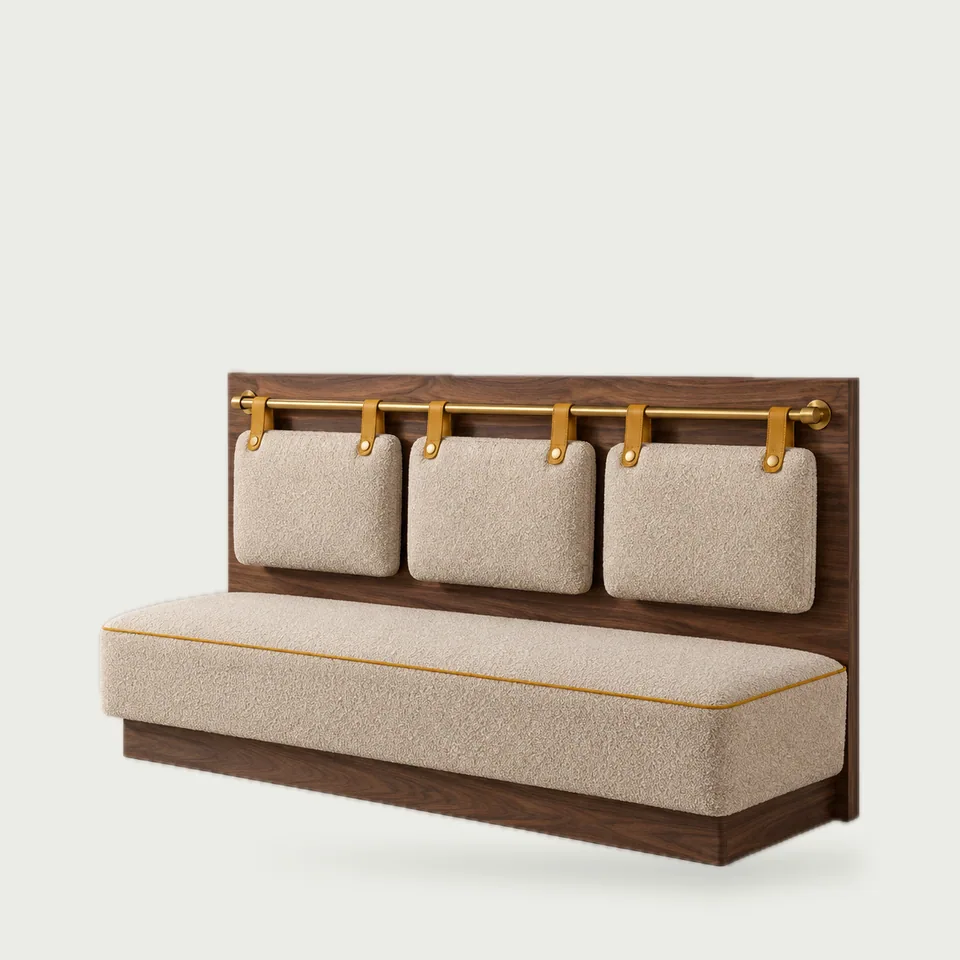
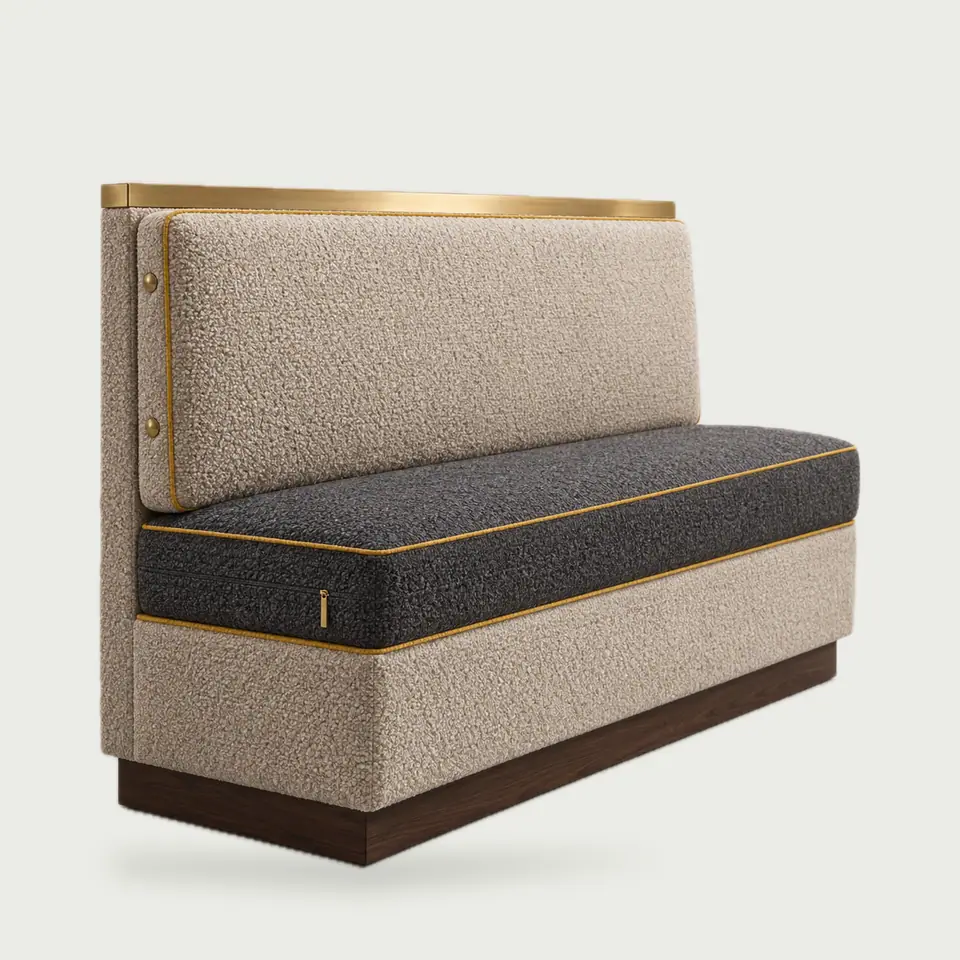
If your covers are zip-off, check the label before washing them. Many contract wool fabrics are dry-clean or professional-clean only and can shrink in a machine, which leaves the cover too small for the foam. Our Recycled-Content Polyester Booth and wool-covered options are supplied with the mill's care information for the exact fabric you choose.
How do you clean recycled polyester restaurant fabric?
Recycled polyester contract fabrics are among the easiest to look after. They take water-based cleaning well and dry quickly.
- Vacuum regularly to stop grit abrading the surface.
- Use water-based upholstery cleaners for most spills; rinse residue away so it does not attract new dirt.
- Treat oily stains early with a product suited to grease on synthetics.
- Periodic extraction cleaning by a professional is usually suitable, but check the care code first, especially for backed or coated fabrics.
- Mind the heat. Polyester softens at high temperatures; avoid very hot irons and direct heat when drying.
Like all synthetic fabrics, recycled polyester sheds microfibres when it is abraded and cleaned. Gentle, regular cleaning rather than aggressive scrubbing reduces both wear and shedding.
How do you clean faux leather booths safely?
Faux leather booths look easy to clean, and they are, as long as the coating is protected.
- Daily: wipe with a microfibre cloth dampened with warm water and a small amount of mild soap, then wipe with clean water and dry.
- Avoid solvents: acetone, white spirit, nail-polish remover and many ink removers can soften or strip PU and PVC coatings.
- Watch the sanitiser: alcohol-heavy products and bleach-based sanitisers can dry out, discolour or crack coatings over time. If your hygiene plan requires a sanitiser on seating, use one the covering maker approves, and wipe residue off with clean water afterwards.
- Dye transfer: dark denim can stain pale faux leather. Clean marks promptly; they are harder to remove once they set.
- Inspect seams, piping and seat fronts, where cracking usually starts.
See our Plant-Based Leather Booth for a leather-look option; plant-based coverings usually include a PU binder and should be cleaned as faux leather unless the maker states otherwise.
Does sanitiser residue damage restaurant upholstery?
It can. Many sanitisers leave a film when they dry. On faux leather the film can make the surface tacky or attract dirt, and repeated exposure to some chemistry can shorten coating life. On fabric, residue can stiffen the fibres and leave patches that soil faster than the surrounding area.
Three habits help: use sanitisers at the dilution the maker states, wipe residue away with clean water where the product instructions allow, and keep a separate cleaning cloth for seating so table chemicals are not carried onto upholstery. Record the products used in your COSHH assessment and cleaning schedule so staff use the same ones every time.
Common mistakes
- One product for everything. A degreaser that works on tables can damage wool and faux leather.
- Soaking wool. More water spreads the stain and leaves rings.
- Rubbing stains. It drives the stain deeper and roughens the surface.
- Machine-washing covers without checking the label. Shrunken covers no longer fit the cushions.
- Leaving sanitiser to dry on faux leather. Build-up leads to tackiness and cracking.
- Ignoring the maker's care code. It overrides general advice, including ours.
FAQ
How often should restaurant upholstery be cleaned?
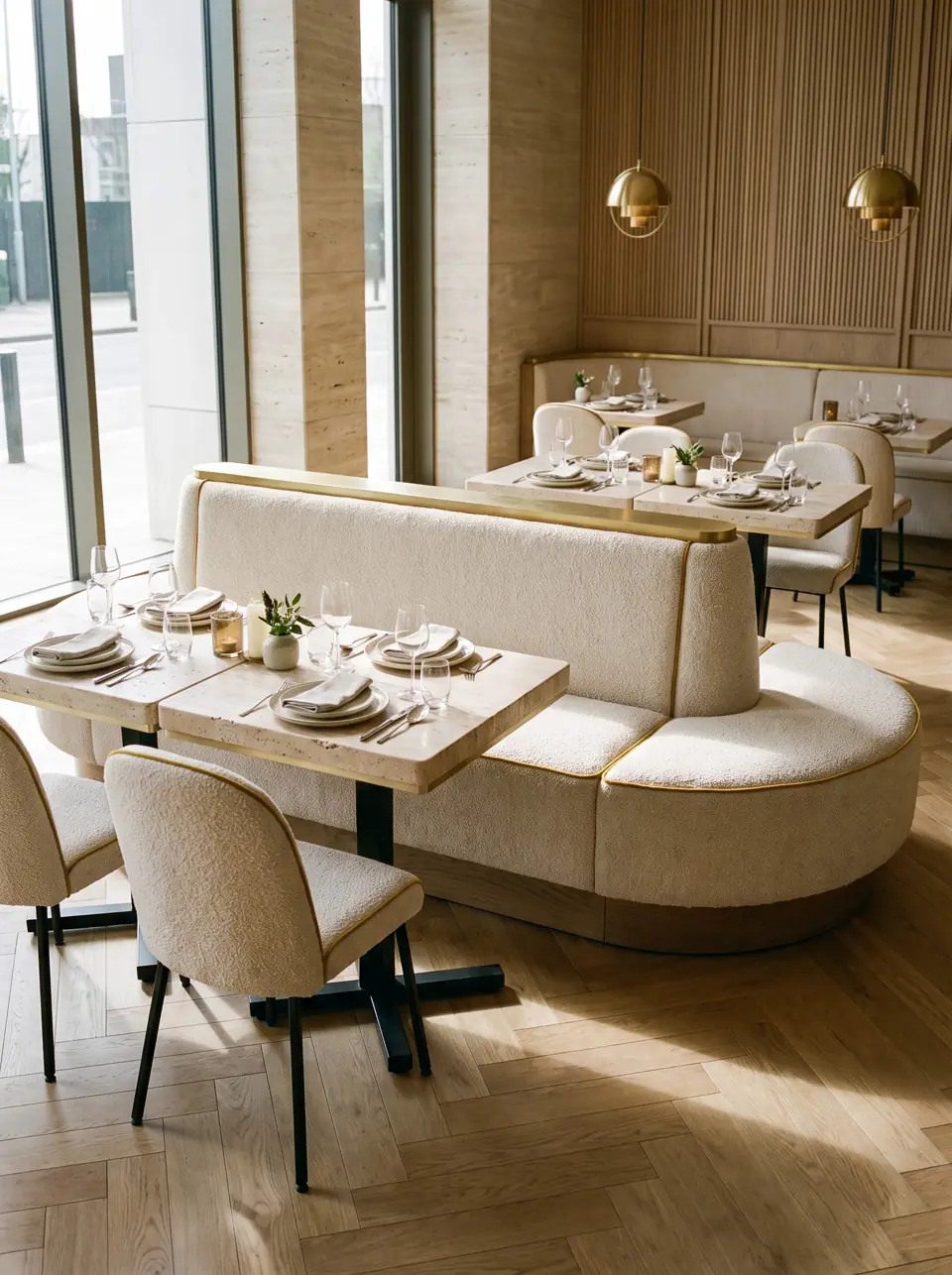
Brush and blot after each service, vacuum daily, spot-clean weekly and arrange professional cleaning several times a year depending on how busy the booths are. Busy seats near entrances and windows usually need more attention, and rotating loose cushions helps spread wear.
Can you use sanitiser on restaurant booth fabric?
Only products and dilutions approved by the fabric or covering maker. Many sanitisers leave residue that stiffens fabric or makes faux leather tacky. Where your hygiene plan requires sanitising seating, wipe the residue away with clean water if the product allows, and test any new product on a hidden area first.
Can wool upholstery be cleaned with water?
Yes, but sparingly. Wool should be blotted with minimal moisture using a pH-neutral, wool-safe product, then dried evenly. Over-wetting can cause shrinkage, puckering and brown rings. Avoid chlorine bleach and enzyme stain removers. Periodic professional low-moisture cleaning suits wool better than deep extraction.
What should you not use on faux leather booths?
Avoid solvents such as acetone and white spirit, bleach-based cleaners, abrasive pads and alcohol-heavy sprays unless the covering maker approves them. These can soften, dry out or crack PU and PVC coatings. Mild soap, warm water and a microfibre cloth handle most daily cleaning.
Are zip-off booth covers machine washable?
Some are, but many contract upholstery fabrics are not. Washing can shrink covers, damage backings and affect any treatment. Check the care label and the maker's data sheet first. If covers are not washable, keep a spare set from the same dye lot; see our sustainable upholstery options for coverings and care information.
Tell us about your room, seat count and what matters most to you: longer service life, specific materials, lower shipping volume. We will reply with suggestions and an itemised quote.
Request a quote